
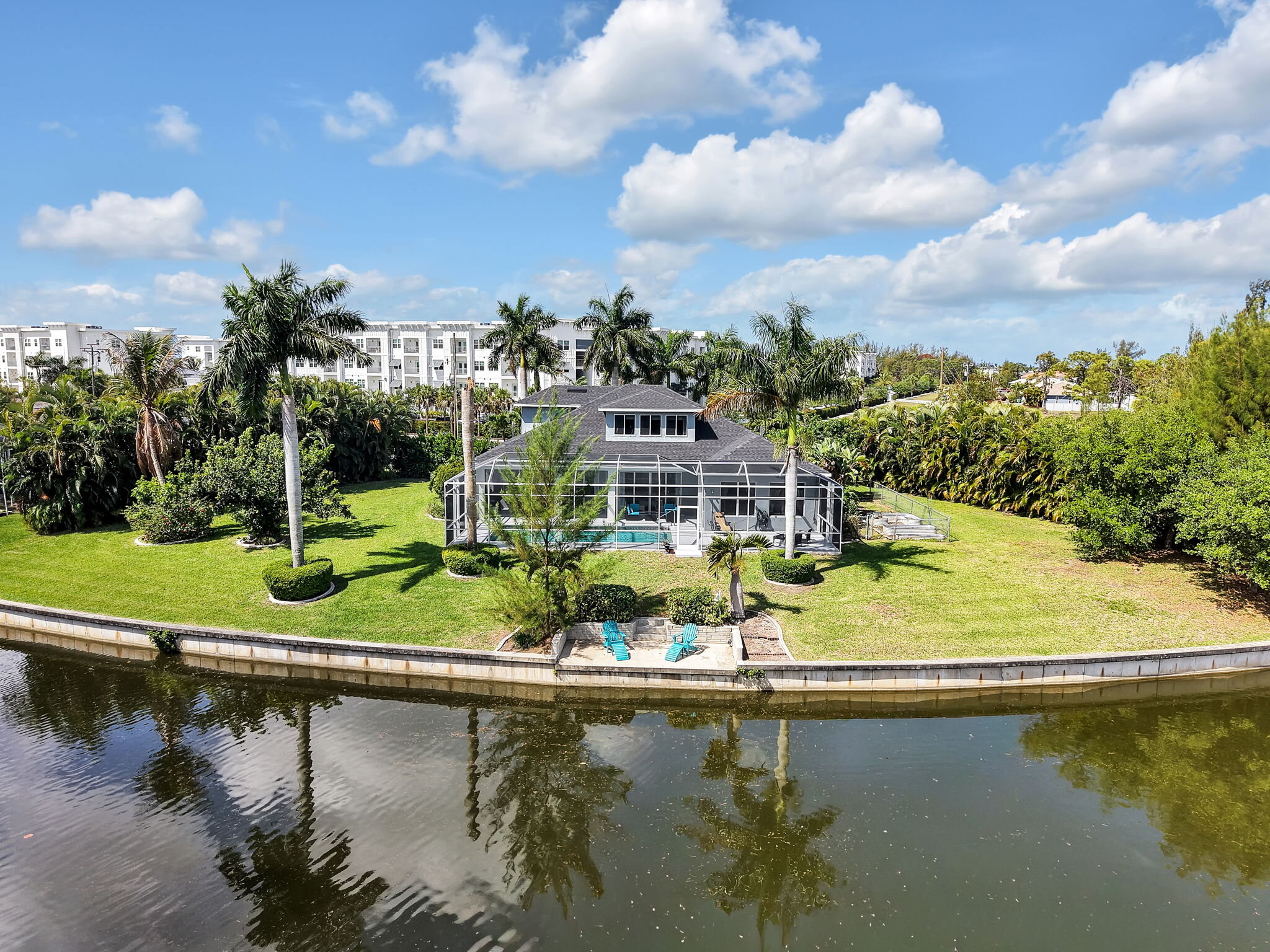
Free short sale guide
Short sale guide for Southwest Florida homeowners
By Alex Greenwood, Realtor and founder of Gulf Coast RE Group – Realty ONE Group MVP, Bonita Springs, FL (FL license SL3227669)
Read it here, or download the PDF to read later or share with your family.
Get a free, no-pressure consultation
If you are reading this, there is a good chance you are behind on your mortgage, your home is worth less than you owe, or both. Maybe you have been getting letters from your lender that you are scared to open. I want you to know two things right away. You are not the only one, and you have more options than you probably think.
I wrote this guide for homeowners in Southwest Florida and along the Gulf Coast who want straight answers. No sales pitch. Just how a short sale works, what it costs, how it compares to foreclosure, and what to watch out for. Read it at your own pace. If you have questions afterward, I am happy to talk.
I worked short sales full time from 2009 to 2012, when thousands of families here on the Gulf Coast were caught in a market they didn’t create. I saw good, hardworking people blame themselves for a situation that was often stacked against them from the start.
I believe no one deserves to lose the home where they raised their family, no matter what their finances look like today. A short sale isn’t a failure. It’s a way to protect your family, your credit and your future, and to leave on your own terms with your dignity intact.
That’s why I’m doing this work again. If you’re behind on payments or worried you might be soon, you don’t have to figure this out alone.
In this guide
- What is a short sale, in plain English?
- Am I a candidate for a short sale?
- Short sale vs. foreclosure vs. deed in lieu vs. loan modification
- Will a short sale stop my foreclosure in Florida?
- How long does a short sale take, step by step?
- What does a short sale cost me?
- Will I owe the difference after a short sale?
- How does a short sale affect my credit compared to a foreclosure?
- Will I owe taxes on the forgiven debt?
- What documents will I need for a short sale?
- Who is on my side in a short sale?
- What are the most common mistakes that kill short sales?
- Short sale FAQ
- What should I do today?
What is a short sale, in plain English?
A short sale is when you sell your home for less than what you owe on your mortgage, and your lender agrees to accept that lower amount. The sale is “short” because the money from the sale falls short of paying off the loan. Your lender has to approve the deal before it can close.
Here is a simple way to picture it. Say you owe the bank more than your home would sell for today. Instead of the bank taking the home through foreclosure, you list it for sale at a fair market price. A buyer makes an offer. Your lender reviews the offer, your finances, and the value of the home. If they agree, they release their lien (their legal claim on the property) and the sale closes.
A few terms you will hear:
- Lender or servicer. The company you send your mortgage payment to. The servicer manages the loan, and it may be acting for a different investor who actually owns the loan, such as Fannie Mae, Freddie Mac, or a private bank.
- Underwater. When you owe more on your home than it is worth.
- Lien. A legal claim against your property. Your mortgage is a lien. A second mortgage, a home equity line, an HOA, or unpaid taxes can be liens too.
- Approval letter. The written letter from your lender that says they agree to the short sale and spells out the terms.
Am I a candidate for a short sale?
You may be a good candidate if you owe more than your home is worth, you have a real financial hardship, and you cannot keep up with the payments. You do not always have to be behind on payments to qualify, but most lenders want to see a genuine reason you cannot continue. Every lender and loan type has its own rules, so the only way to know for sure is to have your situation reviewed.
Common signs you might be a fit:
- You are behind on payments, or about to be. Missed payments are common, but some lenders will consider a short sale before you fall behind if a hardship is coming.
- You owe more than the home would sell for. If you have equity (the home is worth more than you owe), a regular sale is usually the better path, and you would not need lender approval to take a loss.
- You have a hardship. Lenders look for a life event that changed your finances. Examples include job loss or reduced income, divorce, death of a spouse or family member, medical problems, a job transfer, rising insurance or HOA costs, or storm damage.
Most homeowners we talk to didn’t do anything wrong. Everyday costs have gone up much faster than paychecks, and here in Southwest Florida it hits even harder. Home insurance premiums have climbed, many condo and HOA owners are facing large special assessments, and groceries, gas and utilities all cost more. At the same time, good-paying jobs are harder to find, and many people are earning less than they did a few years ago. When your budget gets squeezed from both sides, falling behind on your mortgage can happen to anyone.
If that’s where you are, you’re not alone, and you still have options.
Short sale vs. foreclosure vs. deed in lieu vs. loan modification: what is the difference?
These are four different ways a mortgage problem can end. A loan modification keeps you in the home. A short sale and a deed in lieu are ways to leave the home on agreed terms. A foreclosure is when the lender takes the home through the court. Which one fits depends on whether you want to stay, what you can afford, and what your lender will approve.
Loan modification. Your lender changes the terms of your loan, for example lowering the payment, extending the term, or adding missed payments to the balance. You keep the home. It can work if your hardship was temporary, your income is steady again, and you truly want to stay. Read the terms carefully, though. Many modifications add missed payments to your balance or stretch out your loan, and some homeowners end up owing more than before, still underwater and behind again a year later.
Short sale. You sell the home for less than you owe with your lender’s approval. You move out on a planned date, and you take part in the process instead of having it done to you. It often has a smaller impact on your future buying options than a foreclosure (more on that below).
Deed in lieu of foreclosure. You sign the home back over to the lender, and in exchange they release you from the mortgage. There is no sale to a buyer. Lenders usually want you to try selling first, and a deed in lieu is often harder to get approved if there is a second mortgage or other liens on the property.
Foreclosure. The lender files a lawsuit, the court approves a sale, and the home is sold at auction. You do not control the timing, and depending on the situation you may still owe money afterward. In Florida, foreclosures go through the court system, which I explain in the next section.
A short sale is often the better path when you owe more than the home is worth, your income isn’t coming back to where it was, or the monthly cost of the home just isn’t sustainable anymore. It lets you move on with a clean break instead of carrying a loan that keeps you stuck. If you’re not sure which fits you, we’ll walk through both options with you honestly.
Will a short sale stop my foreclosure in Florida?
A short sale can often stop a foreclosure, but only if the lender approves the short sale and it closes before the foreclosure sale date. Starting a short sale does not automatically pause a foreclosure. The earlier you start, the more room you have.
Florida is a judicial foreclosure state. That means a lender has to file a lawsuit and get a court judgment before it can sell your home. In plain terms, the process usually looks like this:
- You fall behind on payments and receive notices from your lender.
- The lender files a foreclosure lawsuit in your county court. You are served with legal papers.
- If the case goes forward, the court enters a final judgment and sets a foreclosure sale date.
- The home is sold at a public auction run by the county clerk.
Because the court is involved, the process usually takes longer in Florida than in states where lenders can foreclose without going to court. That extra time can give you a window to complete a short sale. But it is not guaranteed. The timeline depends on your lender and your county’s court: some lenders move quickly, others take much longer, and a sale date can be set sooner than you expect. A few dates are fixed:
- After you’re served with foreclosure papers, you have 20 days to file a response with the court. Don’t ignore this, even if you plan to sell.
- Once the judge enters a final judgment, the sale date is usually set 20 to 35 days later. At that point, time is very short.
Some lenders will agree to postpone a foreclosure sale while a short sale is under review, especially if you already have a signed offer from a buyer. Others will not. Your lender and the court decide that, not your agent.
A short sale can often still happen after you’ve been served, but the closer you get to a sale date, the harder it gets. If you’ve received any papers from your lender or the court, call us right away.
If you have been served with foreclosure papers, please talk to a Florida real estate or foreclosure attorney right away. Lawsuits have deadlines to respond, and an attorney can protect your rights in court while Alex and his experienced team work on the sale. We’re not attorneys, so for questions about responding to the court, please talk with a Florida real estate attorney.
How long does a short sale take, step by step?
A short sale takes longer than a regular sale because your lender has to review and approve it. The timeline depends heavily on your lender, how many loans or liens are on the home, and how quickly paperwork moves. Here are the steps in order.
- Free consultation. We talk through your situation, your goals, and whether a short sale makes sense. No obligation.
- Gather your documents. You pull together the financial paperwork the lender will ask for (see the document list below).
- List the home. We price the home at fair market value and put it on the market like any other listing.
- Accept an offer. When a buyer makes an offer, you sign it subject to lender approval.
- Submit the short sale package. Our negotiating team sends the offer, your hardship letter, and your financial documents to the lender.
- Lender review and valuation. The lender orders its own opinion of value, usually an appraisal or a broker price opinion (a value estimate from a local agent). They review your file and may ask for updated documents.
- Negotiation. The negotiators work with your lender, and any second mortgage, HOA, or other lien holders, to agree on terms.
- Approval letter. The lender issues a written approval. We review it carefully before you sign anything (more on why below).
- Closing. The sale closes, the lender receives the proceeds, and you move forward.
Every short sale is different, but in our recent files with our negotiating team, the process from listing to closing has taken roughly 60 to 120 days. During the last downturn, short sales often dragged on for a year or more. Banks are much better prepared today, and approvals tend to move faster than many homeowners expect.
What speeds things up: getting your documents in early, responding quickly when the bank asks for something, and starting before a sale date is set.
What does a short sale cost me?
In most cases, a short sale costs you nothing out of pocket. You don’t pay us anything upfront, and you don’t pay our negotiating team. Typically, the lender agrees to pay the normal closing costs and real estate commissions out of the sale proceeds, because the lender is the one receiving the money from the sale. That is common, but it is not guaranteed, and the final terms are set in your lender’s approval letter.
A few things to know:
- Closing costs and commissions. These are usually listed on the settlement statement and approved by the lender. If the lender approves them, they come out of the sale proceeds, not your pocket.
- Possible contributions. Sometimes a lender, or a second mortgage holder, asks the homeowner to contribute cash at closing or sign a promissory note (a written promise to pay later). That can sound scary, but it’s often in exchange for the bank forgiving a much larger amount of debt. It depends on the lender and your finances. You always have the right to say no and talk it over before you agree, and we’ll walk you through any request like this so you can decide if it makes sense for you.
- HOA and liens. Unpaid HOA dues, assessments, or other liens have to be dealt with as part of the sale. Our negotiating team works to have these handled through the closing.
- Upfront fees. Be very careful with anyone who asks you to pay a large fee upfront to “save your home.” Ask questions and get everything in writing.
Every bank has its own rules, so we’ll go over your situation with you before you sign anything. You’ll know what to expect up front.
Will I owe the difference after a short sale?
Maybe. The difference between what you owed and what the home sold for is called a deficiency. Some lenders agree to waive it completely. Others keep the right to collect it. What happens to you depends on what your approval letter says, so reading that letter carefully is one of the most important steps in the whole process.
The main goal of a short sale is a full deficiency waiver. That means once the sale closes, the bank agrees you don’t owe the remaining balance on your loan. In most of the short sales we handle, that’s exactly what happens.
Look for waiver language. A good approval letter clearly says the lender accepts the sale as full satisfaction of the debt (“payment in full”), or that the remaining balance is “waived” or “forgiven.” If the letter is unclear, or says the lender keeps the right to collect, that is something to negotiate before closing and to review with an attorney. We’ll read the letter with you before closing to make sure it says what it should.
Florida deficiency basics. Under Florida law, a lender may ask a court for a deficiency judgment, and the court has discretion over whether to grant one. For owner-occupied homes, Florida law limits a deficiency to the difference between the outstanding debt and the home’s fair market value on the date of sale, and that limit also applies to short sales (Florida Statutes section 702.06). Florida also has time limits on when a lender can bring a deficiency claim on a home loan (Florida Statutes section 95.11).
Second mortgages matter. If you have a second mortgage or home equity line, that lender has to agree too. Make sure every lien holder’s approval addresses the deficiency, not just the first mortgage.
In the rare case a bank won’t fully waive the balance, we’ll talk it through with you before you agree to anything. You’ll always know where you stand. This is a legal question, and the stakes are real. Please have a Florida attorney review your approval letter if you have any doubt about what it says.
How does a short sale affect my credit compared to a foreclosure?
Both a short sale and a foreclosure will hurt your credit score, and both can stay on your credit report for about seven years. The biggest practical difference is how soon you can qualify for a new mortgage. For many loan types, the waiting period after a short sale is shorter than after a foreclosure, and in some cases much shorter.
Credit scores. Missed payments do the most damage, and they usually happen before either a short sale or a foreclosure. How much your score drops depends on your full credit history, so nobody can promise you a specific number. I will not guess at one here. What you can control is what comes next. Paying everything else on time and keeping credit card balances low helps you rebuild.
How long it shows up. The Consumer Financial Protection Bureau says credit reporting companies can generally report most negative information for seven years. That includes late payments, short sales, and foreclosures.
How it may appear. A short sale is often reported with a note like “settled for less than full balance.” A foreclosure is reported as a foreclosure. Future mortgage lenders look closely at the difference.
Waiting periods to buy again. This is where a short sale can really help. These are the current guidelines from the agencies themselves, checked in November 2026. Individual lenders can add stricter rules of their own.
- Conventional loans (Fannie Mae). After a short sale: 4 years, or 2 years with documented extenuating circumstances (a serious event beyond your control). After a foreclosure: 7 years, or 3 years with documented extenuating circumstances and extra limits. Source: Fannie Mae Selling Guide B3-5.3-07.
- FHA loans. After a short sale: generally 3 years from the date the short sale closed. There is an exception if you made every mortgage payment and installment debt payment on time, within the month due, for the 12 months before the short sale. Lenders can also grant exceptions for documented extenuating circumstances. After a foreclosure: generally 3 years, with exceptions only for documented extenuating circumstances. Source: HUD Handbook 4000.1.
- VA loans. VA does not set a fixed waiting period after a short sale. If your payments were on time before the short sale and you stayed in communication with your servicer, a waiting period may not be needed. After a foreclosure, VA lenders may disregard it once it is more than 2 years old, and between 1 and 2 years approval is possible only in limited cases. Source: VA Lenders Handbook (VA Pamphlet 26-7), Chapter 4.
- USDA loans. A short sale or foreclosure closed more than 36 months (3 years) before the application is not counted as adverse credit. Inside 36 months, a credit exception may be needed depending on how the loan is underwritten. Source: USDA Handbook HB-1-3555, Chapter 10.
So for a conventional loan, the standard wait after a short sale is 4 years compared to 7 years after a foreclosure. For an FHA loan, a homeowner who stayed current up to the short sale may not have to wait the full 3 years. Talk to a mortgage lender about your specific situation before you assume a date.
After working with so many families through short sales, the most rewarding part isn’t the closing. It’s hearing from them a few years later when they’re buying a new home for their family. For most of them, the short sale turned out to be a small bump in the road, not the end of the road. They got a fresh start, rebuilt their credit and got back on their feet. That’s what we want for you too.
Will I owe taxes on the forgiven debt?
You might. When a lender forgives debt, the IRS can treat the forgiven amount as income, and the lender may send you a Form 1099-C. For years, a federal rule called the Mortgage Forgiveness Debt Relief exclusion let many homeowners exclude forgiven debt on their main home. That exclusion expired for debt forgiven after December 31, 2025, unless the forgiveness was agreed to in writing before January 1, 2026.
As of November 2026, that exclusion has not been renewed, so forgiven mortgage debt from a 2026 short sale may be taxable unless another exception applies. Other exceptions can still apply. One of the most common is insolvency, which generally means your total debts were more than the value of everything you owned right before the debt was forgiven. Debt discharged in bankruptcy is also treated differently. IRS Publication 4681 explains these rules.
Tax law can change, and your situation is unique. Please talk to a CPA or tax professional before you close, so there are no surprises when you file.
What documents will I need for a short sale?
Lenders want a clear picture of your income, expenses, and hardship. You don’t need everything on day one, but having these ready early can save weeks. Your lender may ask for more or less than this list, and they often ask for updated copies if the process runs long.
- Hardship letter. A short, honest letter in your own words explaining what happened and why you cannot keep paying. We can help you write it.
- Pay stubs. Usually the most recent 30 to 60 days for each borrower who works.
- Bank statements. Usually the last two to three months for all accounts, every page.
- Tax returns. Usually the last two years, with all schedules.
- Proof of other income. Social Security, pension, disability, unemployment, child support, alimony, or rental income.
- Self-employment records. If you are self-employed, a year-to-date profit and loss statement.
- Mortgage statements. A recent statement for each loan on the home.
- HOA information. Contact details for your HOA or condo association, plus any statements.
- Lender forms. Most lenders have their own financial form and an authorization that lets our negotiating team talk to them for you.
- Hardship proof. Documents that back up your hardship, such as a layoff letter, medical bills, a divorce decree, or a death certificate.
- Lender and court letters. Any letters or papers you’ve received from your lender or the court.
Every bank has its own checklist, so our negotiating team will tell you exactly what your lender needs.
Who is on my side in a short sale?
You should never feel alone in this. A short sale works best with a small team where everyone has a clear job. Here is who does what.
- Alex and his experienced team at Gulf Coast RE Group. Alex is your listing agent. GCRE prices the home, markets it, finds a qualified buyer, and keeps the sale moving to closing. We also keep you updated so you are not left wondering what is happening.
- Our negotiating team. Lender negotiation is the hardest part of a short sale, so our negotiating team handles that work. Our negotiating team handles the paperwork, the follow-up calls, and the back and forth with your lender and any other lien holders.
- A Florida attorney. I am not an attorney and cannot give legal advice. If you have been served with foreclosure papers, if your approval letter does not clearly waive the deficiency, or if you are thinking about bankruptcy, a Florida real estate or foreclosure attorney is the right person to ask.
- A CPA or tax professional. For questions about forgiven debt and taxes, talk to a CPA before you close.
- A HUD-approved housing counselor. These counselors offer free or low-cost advice on avoiding foreclosure. You can find one through the Consumer Financial Protection Bureau’s housing counselor search.
Getting started is simple, and it never costs you anything
- A phone call. Call us and tell us what’s going on. No pressure and no judgment. We’ll listen and answer your questions.
- A meeting at your home. We’ll set a time that works for you and come to you. Sitting down together at your kitchen table is the best way for us to understand your situation.
- A plan. We’ll talk through your options, what a short sale would look like for you, and what to expect at each step. If a short sale isn’t right for you, we’ll tell you.
From there, Alex and his experienced team handle the listing and the sale, and our negotiating team handles the bank. You’ll hear from us regularly the whole way through.
Want more plain answers? Visit the GCRE short sale blog for more short sale help for Florida homeowners.
What are the most common mistakes that kill short sales?
Most failed short sales come down to time, paperwork, or communication. The good news is that most of these mistakes can be avoided.
- Waiting too long. The closer you get to a foreclosure sale date, the less room there is to finish. Start as early as you can, so there is more time to get the bank’s approval.
- Ignoring lender mail or going quiet. It is tempting to stop opening the envelopes. Please do not. Missed deadlines can cost you options. When the bank asks for a document, it usually needs it fast. Staying in touch with us is the single biggest thing you can do.
- Incomplete or outdated documents. Missing pages or old statements are one of the most common causes of delays. Send everything, and send updates quickly when asked.
- Overpricing the home. The lender will check the value. A price that is too high scares off buyers, and the lender may not approve a price that is too low.
- Forgetting the second mortgage, HOA or other liens. A second mortgage, HOA or condo association, or tax lien also has to agree to the sale. A deal can fall apart if one is overlooked, so we work to get everyone on board early.
- Not maintaining the home. The lender’s valuation and the buyer’s inspection both depend on condition. Keep the home clean, safe, and accessible for showings.
- Signing an approval letter without reading it. Check what it says about the deficiency, any cash contribution, and the closing deadline.
- Trusting the wrong people. Be cautious of anyone who promises guaranteed results, asks for big upfront fees, or tells you to stop talking to your lender or sign your deed over to them.
- Big banks not talking to themselves. Large lenders have separate departments that don’t always coordinate. We’ve had a short sale approved by one department while the bank’s foreclosure department changed the locks on the same house. That’s why you need a team that watches both sides and pushes back fast when it happens.
Short sale FAQ
Do I have to be behind on my payments to do a short sale?
Not always. Many lenders want to see missed payments, but some will consider a short sale if you have a documented hardship and are about to fall behind. It depends on the lender and loan type.
Can I stay in my home during the short sale?
Yes. In most cases you live in the home until closing. Your move-out date is set by the closing date, which gives you time to plan.
Will my lender automatically approve a short sale?
No. The lender reviews your finances, your hardship, the offer, and the home’s value. Approval is never guaranteed, which is why a complete package and an experienced negotiating team matter.
Does a short sale stop a foreclosure in Florida?
It can if it is approved and closes before the foreclosure sale date. Starting a short sale does not automatically pause a foreclosure, so talk to an attorney if you have been served.
How long does a short sale stay on my credit report?
Generally up to seven years, the same as a foreclosure. The bigger difference is how soon you can buy again, which is often sooner after a short sale.
How soon can I buy a home after a short sale?
It depends on the loan type. Current guidelines are 4 years for a Fannie Mae conventional loan (2 with extenuating circumstances), generally 3 years for FHA with an exception if you stayed current, no fixed waiting period for VA in some cases, and 3 years for USDA.
Do I have to pay my real estate agent?
In most short sales, the lender agrees to pay the commissions from the sale proceeds as part of the approval. The final terms are spelled out in the approval letter.
Can I do a short sale on a rental or second home?
Often yes. Lenders review investment and second homes too, though the rules and tax treatment can differ. Ask a CPA about the tax side.
What should I do today?
The best first step is simply to get clear on where you stand. Gather your most recent mortgage statement and any letters or court papers you have received. Then reach out for a free, confidential conversation. There is no cost and no obligation.
You can call or text me directly at (239) 748-4560 or send us a message. We will talk through your situation, what your options look like, and whether a short sale even makes sense for you. If a loan modification, a regular sale, or talking to an attorney is the better move, I will tell you that.
Whatever you decide, please do not wait until the last minute. The earlier you act, the more choices you have.
Alex Greenwood
Realtor, Gulf Coast RE Group – Realty ONE Group MVP
Bonita Springs, FL | Florida real estate license SL3227669
Disclaimer
This guide is for general information only and is not legal, tax or financial advice. Every situation is different. Please talk with a Florida real estate attorney about legal questions and a CPA or tax professional about tax questions before making decisions. We are not affiliated with any lender, and we can’t guarantee that a lender will approve a short sale.
Sources
- Fannie Mae Selling Guide, B3-5.3-07, Significant Derogatory Credit Events: Waiting Periods and Re-establishing Credit
- HUD Handbook 4000.1, FHA Single Family Housing Policy Handbook (Update 18, August 12, 2026), Foreclosure and Deed-in-Lieu of Foreclosure, and Pre-Foreclosure Sales (Short Sales)
- U.S. Department of Veterans Affairs, Credit Underwriting (VA lender training, based on VA Pamphlet 26-7, Chapter 4)
- USDA Rural Development, HB-1-3555, Chapter 10: Credit Analysis
- Consumer Financial Protection Bureau, How long does negative information remain on my credit report?
- IRS Publication 4681, Canceled Debts, Foreclosures, Repossessions, and Abandonments
- 26 U.S. Code section 108, Income from discharge of indebtedness
- Florida Statutes section 702.06, Deficiency decree
- Florida Statutes section 95.11, Limitations other than for the recovery of real property
- Consumer Financial Protection Bureau, Find a housing counselor
Free consultation
Talk with us about your situation
Call (239) 748-4560 or send the form for a free, no-pressure consultation. We’ll review your situation and tell you honestly what we think.